
 EN
EN
 DE
DE  ES
ES  TR
TR  ID
ID  RU
RU  JA
JA  KO
KO Steel-plant bearing positions, operating conditions, and failure risks.
All Applications
Continuous Casting Bearings Industry Application
Continuous Casting Bearings for Steel Plants
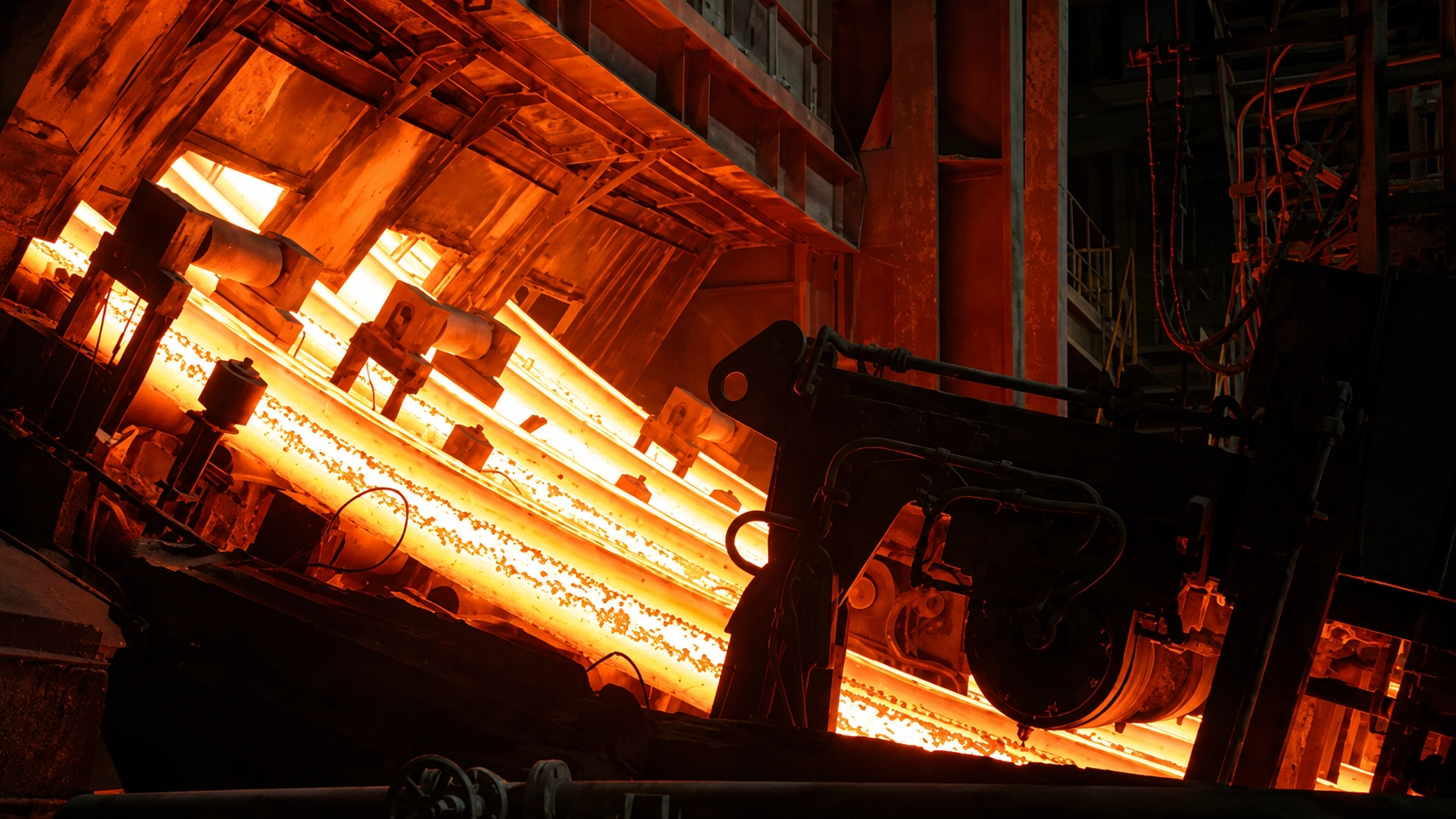
Continuous Casting Bearing Selection
Continuous Casting bearing selection starts with the machine position and complete existing designation. Check load direction, speed, temperature, lubrication, contamination, fits, misalignment, and failure history for that position.
Equipment and Bearing Positions
- Caster segment rolls
- Continuous casting lines
- Roll support positions
- Steel plant conveyors
Operating Conditions
- High temperature near caster rolls
- Water, scale, and contamination
- Continuous production duty
- Lubrication method and cleanliness
- Shaft or housing misalignment
- Speed and temperature range
Failure Risks
- Incorrect fit or clearance can reduce operating clearance and raise bearing temperature.
- Contamination or unsuitable lubrication can damage raceways, rollers, and cages.
- Misalignment, shaft deflection, looseness, or overload can shorten service life.
Configuration Matrix
| Position | Operating condition | Configuration to confirm |
|---|---|---|
| Caster segment rolls | High temperature near caster rolls | Model, load rating, bore, cage, clearance, fits, and lubrication |
| Continuous casting lines | Water, scale, and contamination | Open or sealed arrangement, contamination control, speed, and temperature |
| Roll support positions | Continuous production duty | Locating/floating role, misalignment, shoulders, mounting, and removal access |
Selection Checks
- Confirm the complete bearing marking, bearing position, shaft and housing arrangement, and locating or floating role.
- Check radial and axial load, speed, temperature, contamination, lubrication, fits, clearance, cage, and misalignment together.
- Include failure history, quantity, destination, required timing, and inspection or compliance files.
Related Products and Technical References
Use these pages to compare bearing construction, model data, internal clearance, suffixes, and replacement constraints for this equipment.
Rolling-mill chock, roll-neck, and drive bearing requirements.
product details for steel plant bearing requests.
Review heat, clearance, cage, and lubrication context.
Technical and Quality References
Information to Record
Record the fields below before changing the bearing. They help separate a bearing symptom from a machine, mounting, lubrication, or contamination problem.
- caster position
- bearing model
- suffix/clearance
- temperature
- water or scale exposure
- lubrication condition
- quantity
- downtime target
Discuss a Continuous Casting Bearing Requirement
Send the equipment position, current bearing marking, operating conditions, quantity, destination, and required documents. We will confirm the proposed configuration, supply options, and lead time in the quotation.