
 EN
EN
 DE
DE  ES
ES  TR
TR  ID
ID  RU
RU  JA
JA  KO
KO 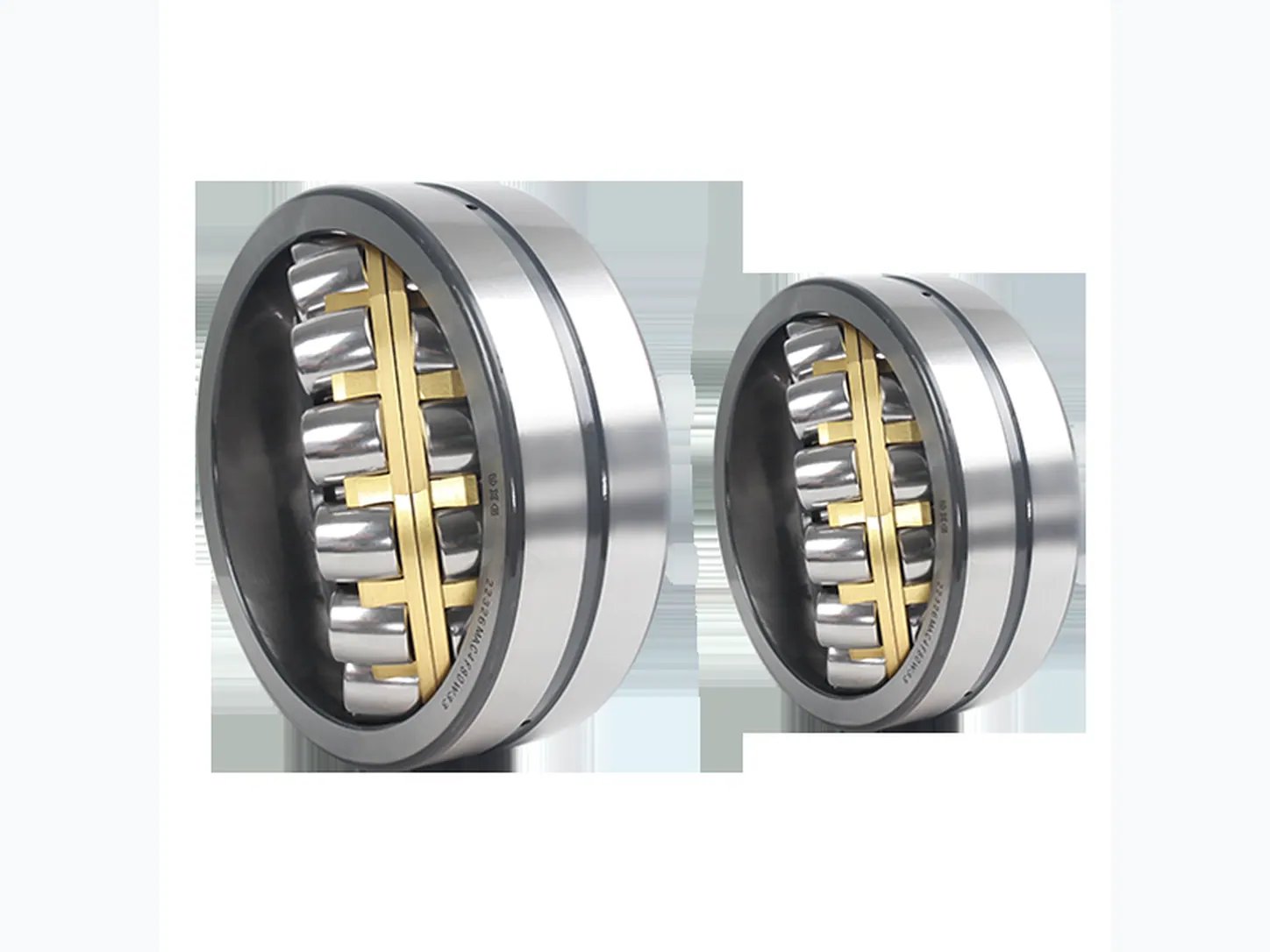
Why the Duty Needs Separate Review
A vibrating screen subjects its bearings to rotating load, cyclic acceleration, contamination, and frequent load-zone changes. Those conditions differ from a steady gearbox or fan position. A bearing that matches the shaft diameter may still have the wrong internal clearance, cage design, lubrication arrangement, or speed capability for the screen.
Start with the screen manufacturer’s bearing designation and maintenance instructions. If that information is unavailable, record the screen model, shaft speed, vibration amplitude, acceleration, unbalance arrangement, bearing position, and observed failure mode.
Clearance and Internal Design
Some manufacturers use screen-duty clearance codes such as F80. These codes are not interchangeable with a universal ISO clearance class. The meaning and measured clearance range must be confirmed from the data for the selected manufacturer and model.
The remaining operating clearance depends on:
- initial bearing clearance;
- shaft and housing fits;
- clearance reduction during tapered-bore mounting;
- inner- and outer-ring temperature;
- speed and lubrication;
- the screen’s acceleration and load pattern.
Do not convert F80 to C3 or C4 without a manufacturer-specific comparison.
Cage Selection
Machined brass cages are common in vibrating-screen bearings, but cage choice should follow the selected model’s published design and the equipment duty. Steel, brass, and other cage references are not universal across brands.
When comparing options, check the full suffix and confirm:
- cage material and guidance method;
- published speed rating;
- vibration or screen-duty designation;
- lubricant compatibility;
- temperature limit for the complete bearing configuration.
Mounting Checks
For tapered-bore bearings, measure the mounting drive-up or clearance reduction using the selected manufacturer’s procedure. The target is model-specific; a generic residual-clearance value should not be applied to every screen bearing.
Also verify shaft condition, sleeve and locknut references, housing fit, bearing seating, and the relationship between the two bearing positions. Impact through the rolling elements or cage can damage the bearing, so mounting force should be applied through the correct ring with suitable equipment.
Lubrication and Sealing
Grease type, initial fill, relubrication quantity, and interval depend on bearing size, speed, temperature, housing free volume, seal arrangement, and contamination. Use the lubricant supplier’s compatibility data and the equipment or bearing manufacturer’s calculation method.
Inspect purge paths and drains before increasing grease quantity. Leakage may result from overfilling, blocked relief paths, seal damage, housing pressure, or excessive temperature.
Diagnostic Table
| Observation | Checks to make before changing the bearing |
|---|---|
| Cage damage | Full suffix, screen duty, acceleration, mounting damage, lubrication, and speed |
| High temperature | Operating clearance, fit, drive-up, grease quantity, seal drag, alignment, and load |
| Grease leakage | Fill quantity, purge path, seal condition, housing pressure, and temperature |
| Raceway distress | Contamination, lubrication film, load, misalignment, fit, and mounting history |
| Uneven condition at two positions | Shaft geometry, housing alignment, fits, drive-up records, and load distribution |
Information for a Quotation
Send the complete bearing marking, screen make and model, bearing position, shaft speed, vibration amplitude and acceleration, clearance or drive-up record, cage reference, lubricant, failure photos, quantity, and destination. These details allow the proposed configuration and lead time to be checked against the actual machine.
Useful next pages: