
 EN
EN
 DE
DE  ES
ES  TR
TR  ID
ID  RU
RU  JA
JA  KO
KO 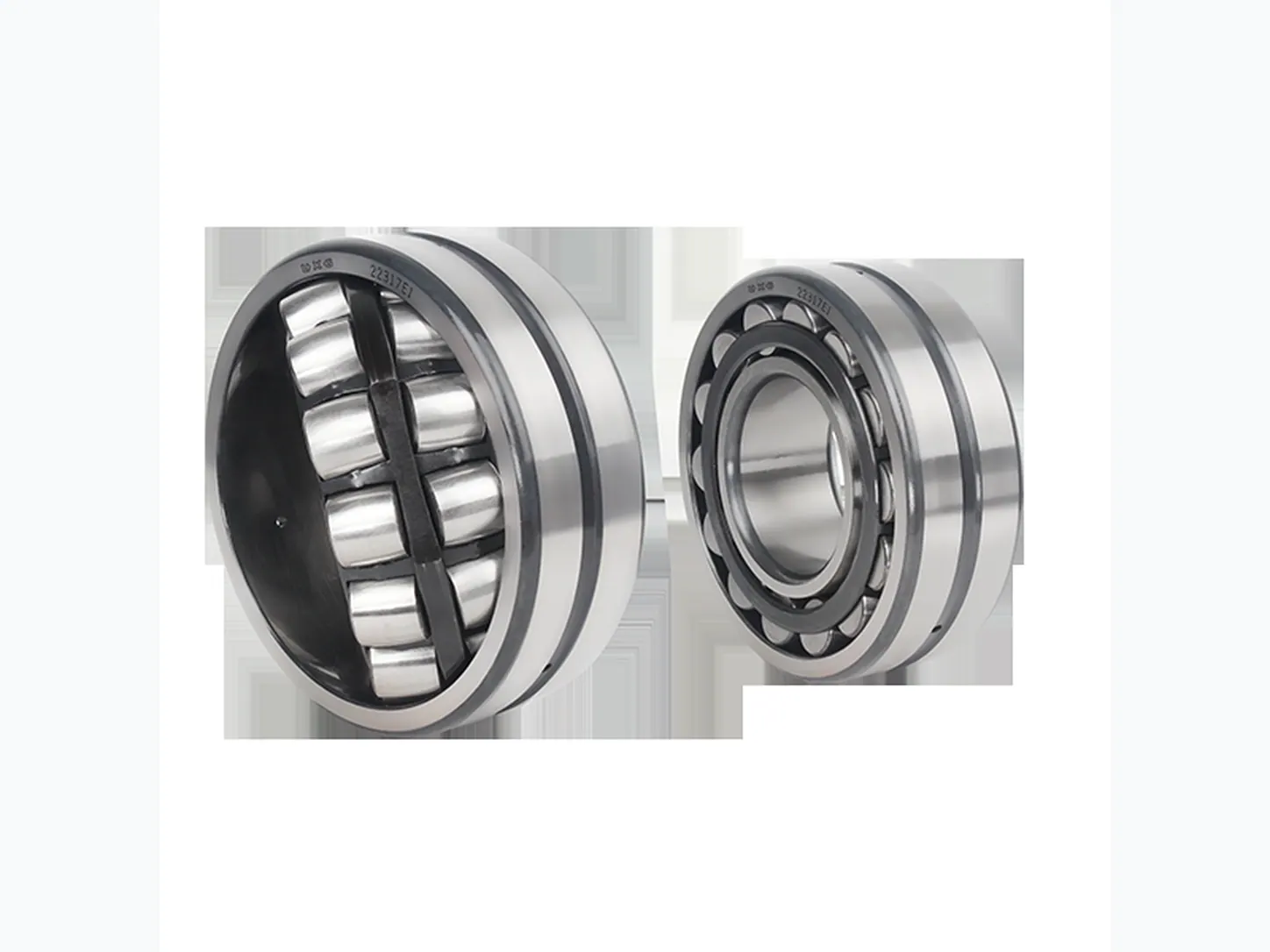
Start With the Exact Designation
E1 is a manufacturer-specific design designation, not a universal interchange rule. It generally identifies an optimized internal design, but the cage, roller geometry, load ratings, speed ratings, and available suffixes depend on the manufacturer and exact model.
A bearing marked E1 should therefore be compared by its complete designation and published technical data. Boundary dimensions alone do not confirm that a standard version and an E1 version are interchangeable.
Model-Specific Data to Compare
| Check | Data required | Why it matters |
|---|---|---|
| Boundary dimensions | d, D, B and corner dimensions | Confirms the basic shaft and housing envelope |
| Dynamic load rating | C | Used in rating-life calculations under dynamic load |
| Static load rating | C0 | Used to check stationary or shock-load conditions |
| Speed reference | Manufacturer speed rating and lubrication basis | Prevents a rating from being used outside its stated conditions |
| Cage design | Steel, brass, or other manufacturer code | Affects speed, vibration, temperature, and lubrication considerations |
| Bore and lubrication features | Cylindrical, K/K30, W33, or other confirmed suffix | Affects mounting and lubricant supply |
| Internal clearance | CN, C3, C4, or order-specific value | Determines the remaining operating clearance after fit and temperature effects |
Load-rating differences should be taken from the selected manufacturer’s current data for the two exact models. A general percentage should not be applied across every E1 series or used to estimate service life.
Internal Design Differences
An E1 version may use revised roller geometry, raceway profiles, surface finishing, or cage construction. Those changes can affect load ratings and friction, but they do not produce the same result in every application.
The following conditions still need to be checked:
- actual radial and axial load, including shock load;
- shaft and housing fits;
- operating and peak temperature;
- rotational speed and lubrication method;
- contamination and sealing arrangement;
- required running clearance;
- existing failure mode and maintenance history.
Replacement Decisions
An E1 bearing can be considered when a published model comparison shows that its dimensions, ratings, speed capability, bore, cage, clearance, and lubrication features meet the equipment requirements. It should not be selected only because the designation suggests higher capacity.
For an existing installation, record the complete bearing marking, shaft and housing arrangement, load data, speed, temperature, lubricant, and required quantity. Compare those details with the proposed model data before approving the replacement.