
 EN
EN
 DE
DE  ES
ES  TR
TR  ID
ID  RU
RU  JA
JA  KO
KO 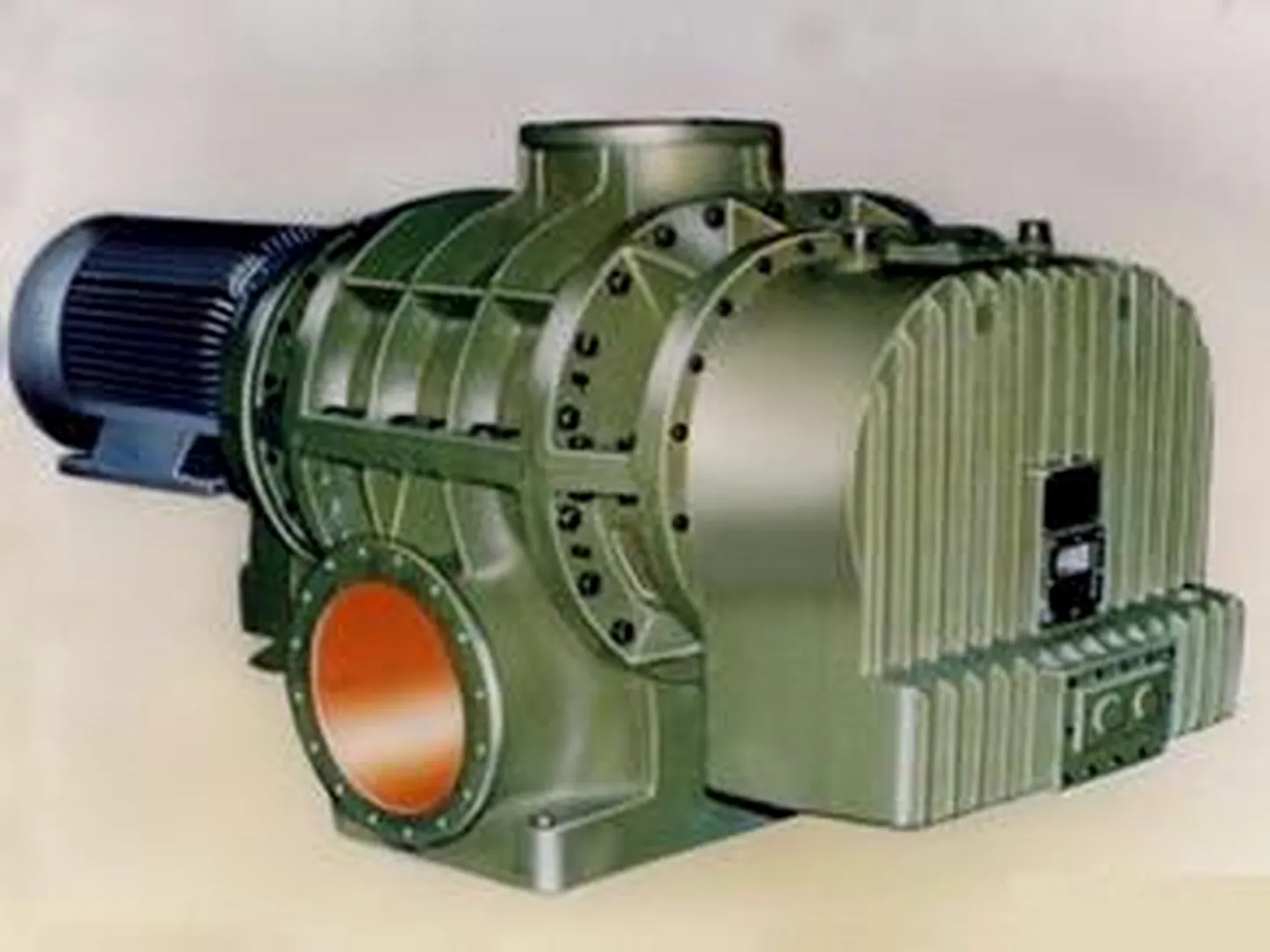
Vibration Is a Bearing Symptom, Not Always a Bearing Cause
Fan bearing vibration problems can come from the bearing, but they can also come from imbalance, soft foot, coupling misalignment, loose housings, shaft issues, or process buildup on the impeller. A replacement bearing quote is easier to review when the RFQ separates the symptom from the suspected cause.
For industrial fans, the bearing usually operates at moderate load and steady speed. That means vibration patterns, temperature trends, and mounting history are important clues.
Vibration Cause Matrix
| Observation | Possible Cause | Detail to Send |
|---|---|---|
| Vibration rises after bearing replacement | Fit, alignment, residual clearance, or mounting damage | Bearing model, mounting method, shaft size, temperature |
| Vibration rises slowly over weeks | Lubrication, imbalance, contamination, or housing looseness | Grease type, interval, fan duty, inspection photos |
| High axial vibration | Coupling alignment, thrust load, or housing movement | Fan arrangement, coupling, bearing position |
| Noise plus heat | Clearance, lubrication, or cage stress | Suffix, temperature, speed, operating hours |
| Repeated non-drive end failures | Thermal growth or locating/floating arrangement issue | Bearing arrangement, housing type, shaft length |
Bearing Details That Affect Fan Review
Include the full bearing number and suffix. Details such as clearance, cage, sealing, and bore type can matter for fan service:
C3orC4clearance may be relevant where temperature or interference fit is present- brass cage or steel cage should be matched to speed, vibration, and temperature context
- tapered bore mounting should include sleeve and shaft details
- extended inner ring bearing requests should include shaft mounting notes
The industrial fan bearing guide and centrifugal fan bearing guide cover positions, operating conditions, failure risks, and the data needed for quotation.
Information to Record for a Vibration Case
Send these details with the inquiry:
- fan type: centrifugal fan, ID fan, blower, Roots blower, or process fan
- bearing model and suffix from both drive and non-drive ends
- RPM and operating temperature
- vibration direction if known: horizontal, vertical, or axial
- lubrication type and relubrication interval
- housing photo, shaft photo, or failed bearing photo if available
- quantity, lead time, and destination
Useful next pages: